Just saw a new report from ABC News, and honestly, Australia looks like it’s about to take things to another level when it comes to illegal tobacco and vape enforcement.
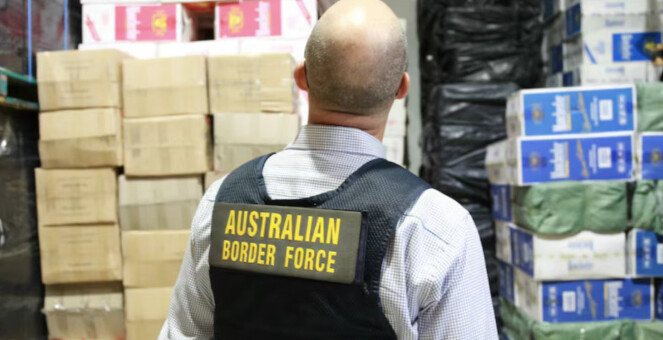
This isn’t just another “we’ll regulate more” announcement. The tone has clearly changed — it’s now being framed as a serious crime problem tied to organized networks, not just small illegal sellers.
What’s actually being proposed?
From what’s been reported, a few things stand out:
- Penalties for illegal tobacco and vape activity could double or even triple
- These offenses may be officially upgraded to “serious criminal” level
- Police could get expanded surveillance powers
- Authorities may start seizing “unexplained wealth” — cars, houses, even boats
According to Julian Hill, the goal is pretty direct: go after the money and dismantle the networks behind it.
And that tells you everything — this is no longer about products, it’s about crime economics.
The numbers are kind of crazy
What really makes this situation different is the scale:
- Over half of all tobacco being sold is illegal
- Around 95%+ of vapes in the market don’t comply with regulations
- The illegal market is worth about AUD 1.6 billion
Even bigger — organized groups are estimated to be making AUD 4–7 billion, while the government is losing up to AUD 11+ billion in taxes.
At that point, you can see why enforcement is escalating. This isn’t a niche issue anymore — it’s a massive parallel market.
What will actually change on the ground?
From a practical point of view, enforcement is likely to shift in three directions:
Retail crackdown
Expect more physical stores getting shut down, especially smaller independent shops.
Online channels under pressure
Websites, social platforms, and cross-border sellers will likely face tighter monitoring.
New categories being watched
Nicotine pouches are starting to get attention — imports, ads, supply chains.
So if you’re in the industry, the risk is no longer just at customs. It’s end-to-end now.
My take (important if you’re in this space)
This move is actually pretty strategic.
Australia isn’t trying to “reduce vaping” with this — they’re trying to regain control of the market.
When:
- most products are illegal
- organized crime is heavily involved
- tax losses are massive
Then regulation turns into enforcement very quickly.
Bottom line
If this passes next week (which it likely will), expect:
- Higher legal risk across the entire supply chain
- More aggressive enforcement, not just policy talk
- A much smaller “gray zone” to operate in
If you’re exporting, distributing, or even just watching this market — don’t underestimate it. Australia might become a template for other countries dealing with the same problem.